Five questions for a gem-cutting teacher: Hubert Heldner on the first round brilliant
A Swiss cutter and jeweller who teaches faceting explains why students start with the round brilliant, which stones to leave until later, and why patience is the lapidary’s secret.
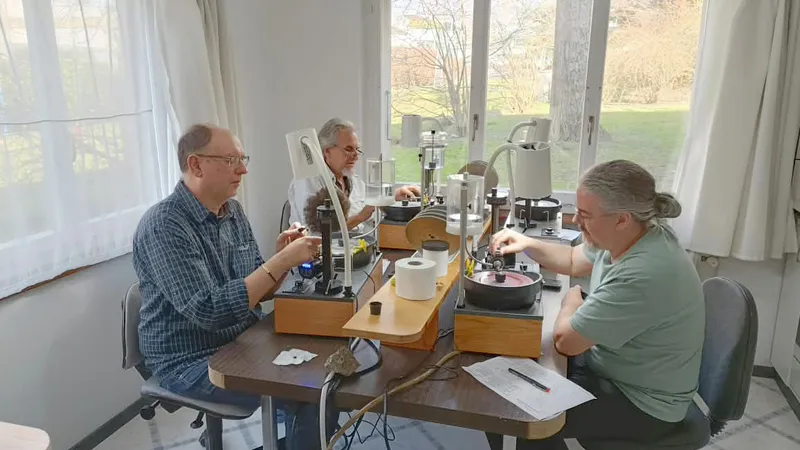
Guest contribution. The views are the author's own, not JewelLoop's. JewelLoop checks facts and edits for style; it does not endorse the author's business and does not accept payment for articles.
1. Why do you begin students with the round brilliant?
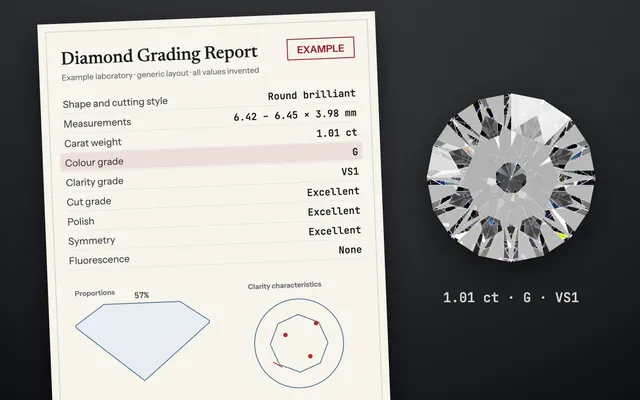
The round brilliant has a good reputation and almost everyone knows it. It encourages the student to aim for the top, and a natural gemstone encourages them even more. I show students how easy it can be; they will discover the difficulties soon enough. I consider the first gemstone to be your diploma. Like a first kiss, you will never forget it, so make it memorable.
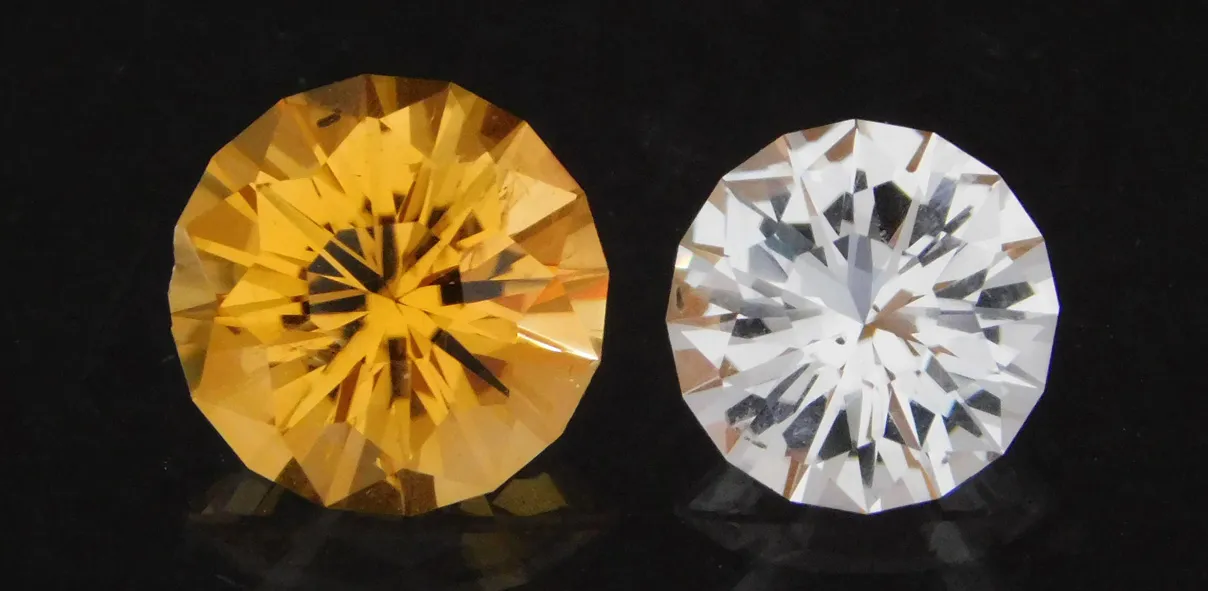
2. What does precision cutting for brilliance ask of a beginner?
Precision cutting for brilliance means the correct cutting angles for good light return. Colour, inclusions and weight matter as well, and all four need to be in balance. Because beauty cannot be measured, more rational students tend to get stuck on carat weight.
3. How do cutting and jewellery making help each other?
Stones bring colour into jewellery. The two professions need to understand each other and know each other’s technical limits; only then can they push the boundaries together.
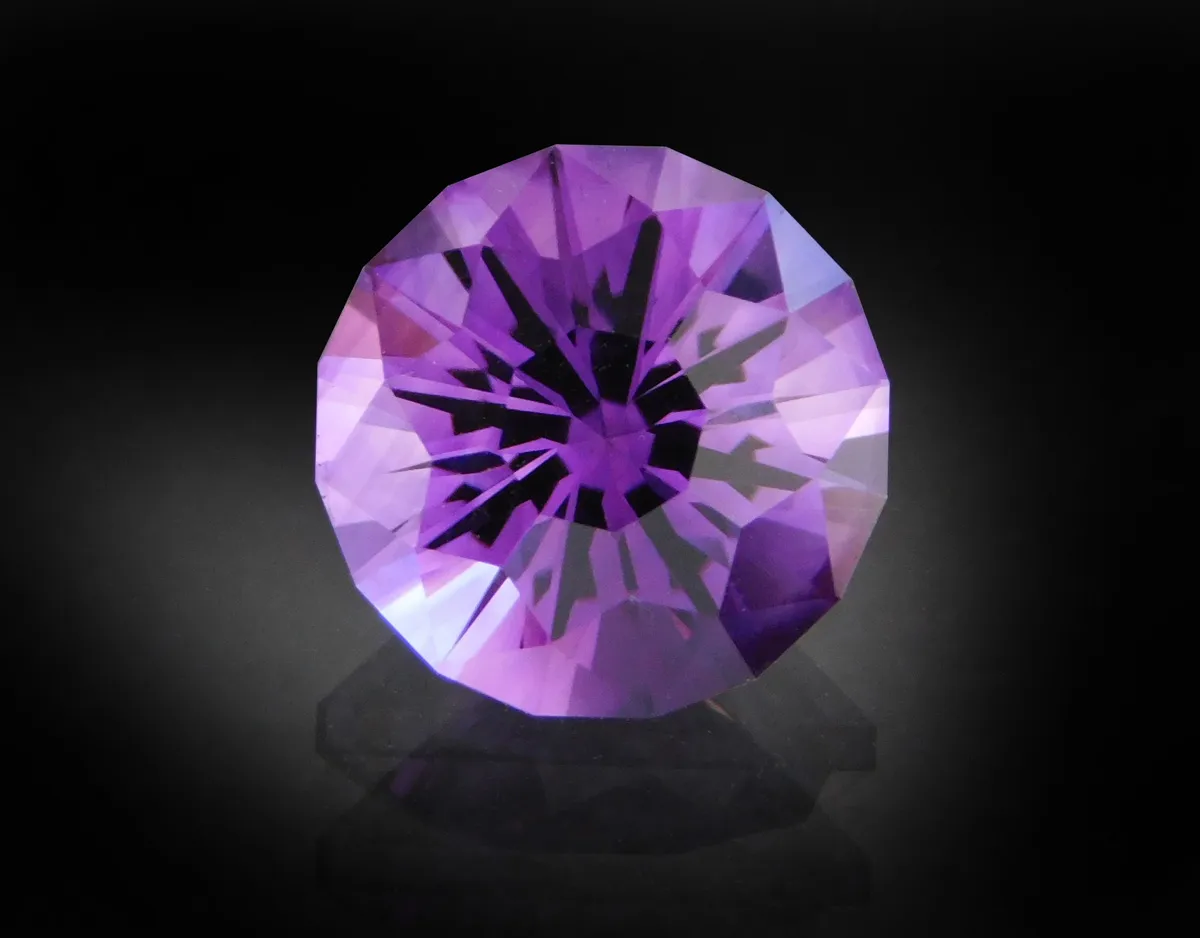
4. Which stones would you advise a new cutter to avoid at first?
I would stay away from synthetic and other man-made stones: they lower the worth of your work. At the beginning, skip celestine, cerussite and sphene (titanite). They can be challenging. Get settled in your technique before you go looking for trouble.
5. One lesson for someone starting out?
One of the lapidary’s secrets is patience. The beauty we create lasts almost for ever, so why hurry and botch it? If you learn to handle a low-value stone as if it were very valuable, you have the basis for moving on to fine stones.
My own challenge at the beginning was to cut one of each mineral I could get hold of. My teacher, Mrs Justina De-Vries, told me to cut ten round brilliants before trying anything else. Too impatient, I tried something invented on the spot for my third stone and, as you can guess, I got into trouble. My fourth stone was a round again, and only then was I ready for more.
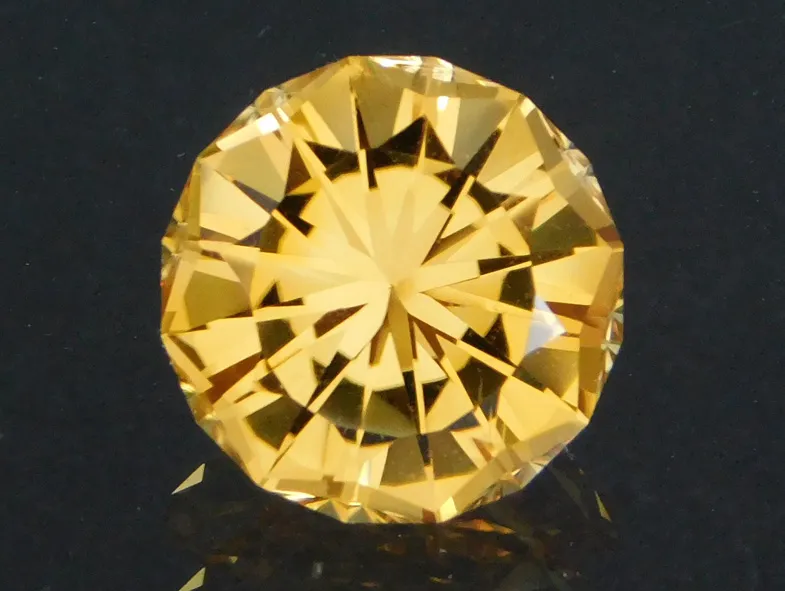
6. And why do you teach?
If something is missing, I become what is missing. The gemstone business is colourful: stones come with stories, with people and with magic.