Lapis lazuli in the trade: what observation can and cannot tell you
Natural, dyed, waxed, bonded or an imitation? What you can see at the bench, why solvent and scratch tests can damage a finished piece, and when only a laboratory can answer.
Guest contribution. The views are the author's own, not JewelLoop's. JewelLoop checks facts and edits for style; it does not endorse the author's business and does not accept payment for articles.
Start with the material
A rich blue cabochon invites a quick verdict: natural, dyed or imitation. But natural lapis can be dyed, and an imitation can be another natural material. Ask three separate questions: what is it, what has been done to it, and what evidence supports the description? Treatment status alone is not a recommendation to buy or reject a piece.
Lapis lazuli is a rock that commonly contains lazurite, with variable amounts of calcite, pyrite and other minerals. Lazurite supplies the blue; calcite can appear as pale areas and pyrite as brassy flecks. GIA also describes uniform blue lapis without visible calcite, so an even blue face does not, by itself, prove dyeing. [1, 2, 9]
Treatments and lookalikes
Dyeing can intensify colour and conceal calcite. Wax or oil can improve colour and lustre even without dye; some dyed lapis is sealed with wax or plastic. "Natural" alone does not answer whether these interventions occurred. If a seller says "stabilised", ask which substance was introduced and why. CIBJO distinguishes waxing, coating and impregnation; the terms are not interchangeable, and they do not establish what happened to any particular stone. [2, 3, 4]
Bonded material is different from an intact rock: it is powdered or crushed material held together with a binder. For a product described as "reconstituted lapis", ask what it contains and what binds it. GIA lists glass, plastic and ceramic lapis imitations, and describes Gilson lapis as an imitation rather than a true synthetic counterpart. Gem-A documents blue-dyed magnesite with metallic particles resembling pyrite; GIA research also compares sodalite. These materials need accurate names, not a verdict based on how appealing their blue looks. [2, 5, 6, 9]
Observe without changing the object
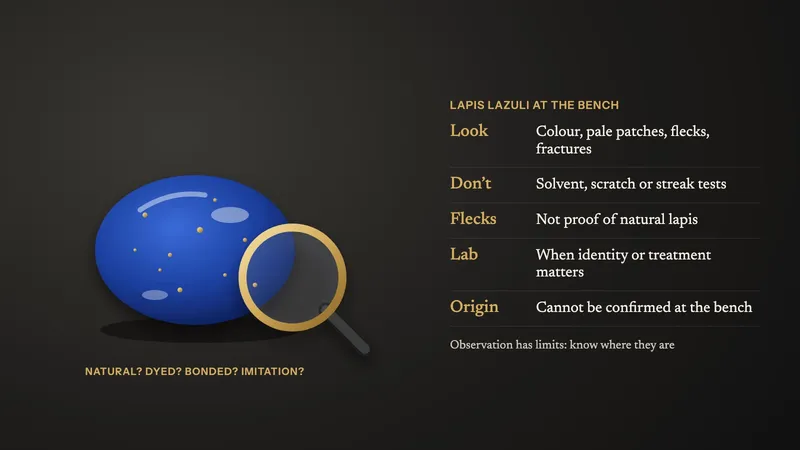
Start without chemicals or abrasion. In good light, using a loupe if available, record blue colour, pale patches, flecks, fractures and changes in lustre. Examine more than the presentation face where the setting permits. Photographs can document a concern for a seller or laboratory, but cannot certify identity or treatment.
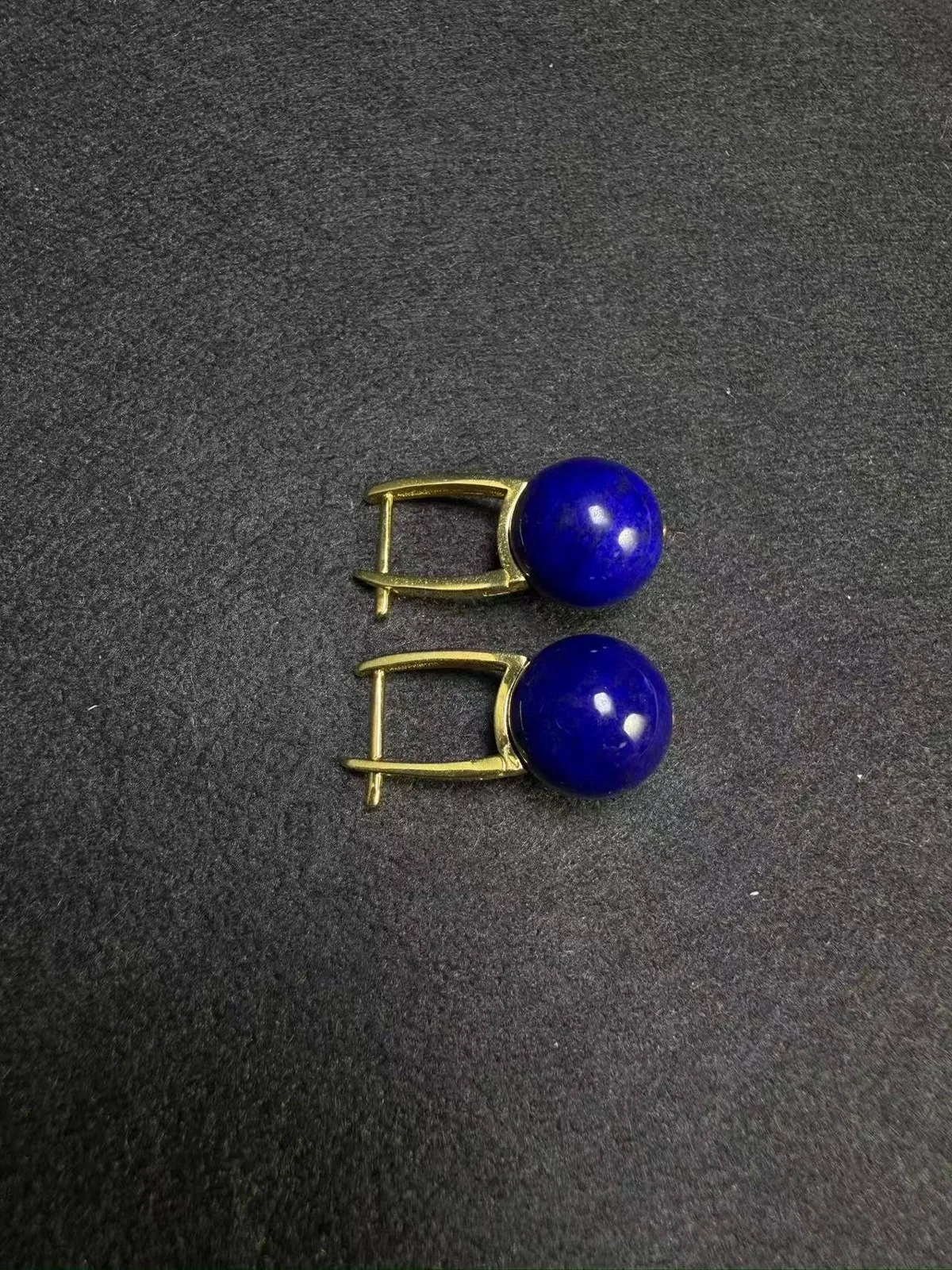
Colour concentrated in pores and fractures can be evidence of dyeing. Gem-A explains this pattern but notes that natural fracture staining can complicate interpretation. Seek assessment rather than identifying a colouring substance from a photograph. Absence of visible concentration does not demonstrate absence of dye: only accessible, recognisable features have been examined. [7]
Gold-coloured flecks are not a pass/fail test. GIA's study of Chilean lapis notes that pyrite has also been reported in sodalite, while imitations may contain added particles. The study's observations concern its specimens, not every source or imitation. "Brassy particles visible" is a better bench note than "pyrite proves untreated lapis". [6, 9]
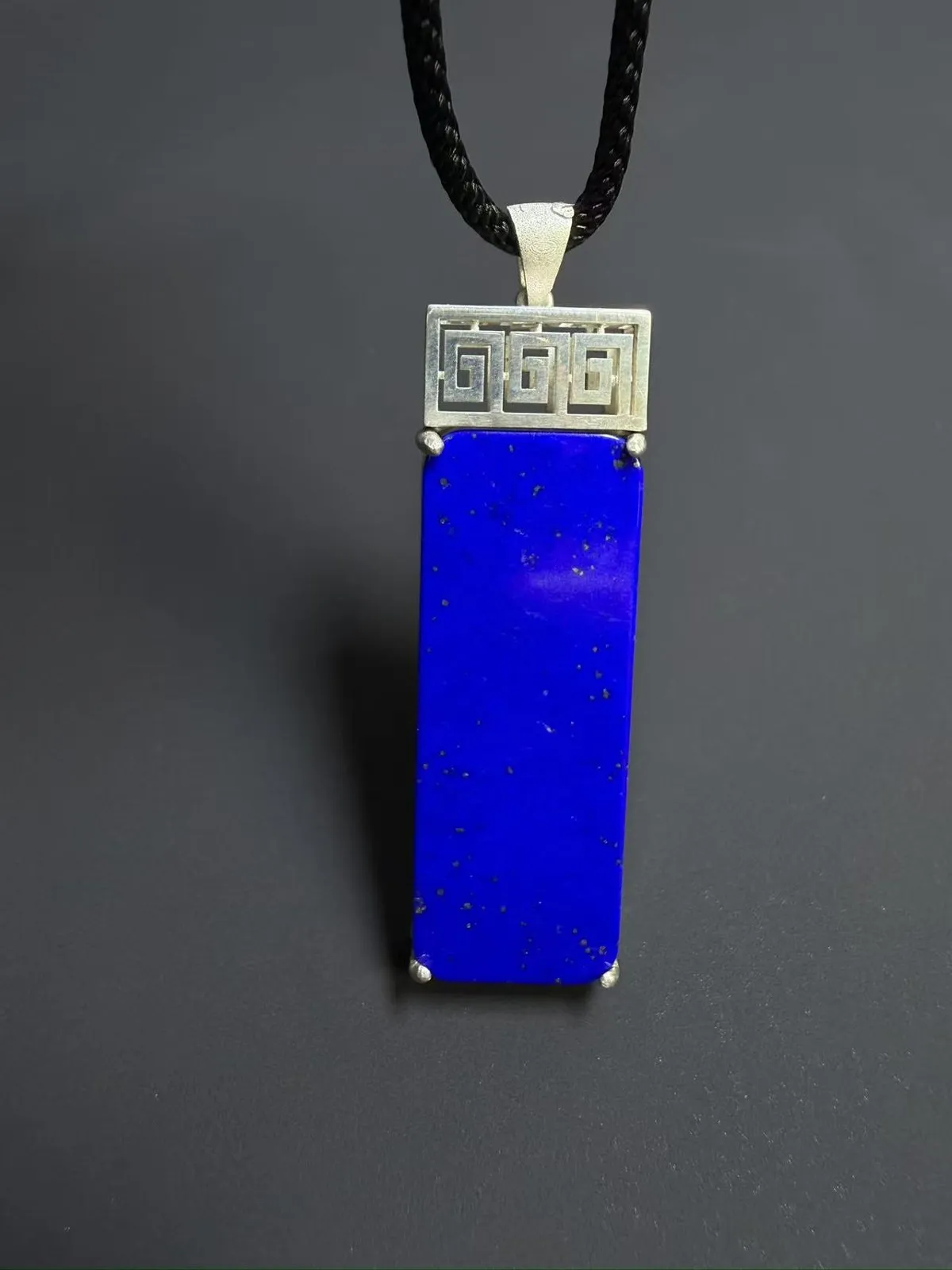
Measurements also need context. A mounted jewel's total weight includes metal and cannot be used to find the stone's density; its setting may conceal useful surfaces. Lapis is an aggregate, so an isolated reading should not replace several lines of evidence. Ask a gemmologist which methods suit the object rather than copying a loose-stone test onto finished jewellery. [1, 9]
Why solvent wipes are not harmless
GIA states that dye in some lapis can come off when rubbed with acetone or denatured alcohol, and that solvents can deteriorate wax sealers. This describes vulnerability, not a home-testing recommendation. A wipe can remove colour or change the treated surface, leaving a visible alteration. A discreet test location is still part of the object. [3]
A negative swab does not clear a stone. Gem-A explains that some dyes are insoluble and others are protected by resin or wax. A coloured swab does not identify the underlying material or its geographical origin either. Removing colour cannot establish whether the object is lapis, dyed magnesite or something else. The potential damage and limited answer make this a poor screening method. [7, 9]
Scratch and streak tests are inappropriate for finished jewellery too: scratching damages the surface, and streak testing removes material to produce powder. GIA gives lapis a Mohs hardness of about 5 to 6 and fair toughness. Damaging its polish for a rough physical clue is not a proportionate response to an uncertain description. Do not scrape, file, drill, or apply acid or heat to investigate a purchase; preserve it for professional assessment. [3, 9]
Ask for useful disclosure
Ask what material was identified; which treatments are known; whether it is an intact stone or a bonded product; and what supports the answers. A supplier declaration, a treatment record and a laboratory report are different kinds of evidence. Ask what remains unknown, and keep the written description with the piece. Incomplete information should not become an "untreated" guarantee.
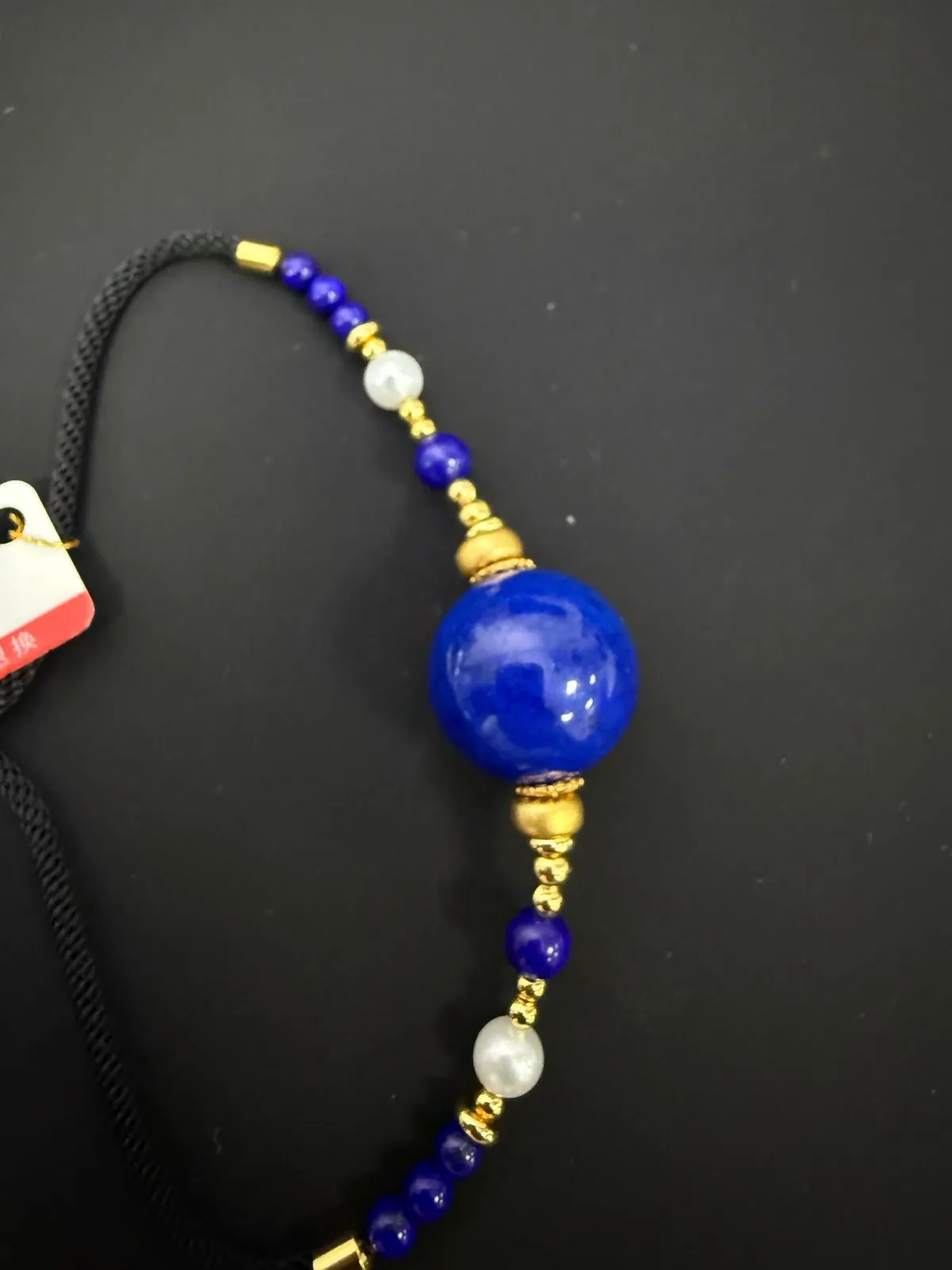
CIBJO's Gemstone Blue Book asks members of the trade to tell customers about any treatment and any special care before a sale is closed, and its gemstone list marks waxing and dyeing as common treatments of lapis. This is an industry disclosure standard, not a claim that identical laws apply everywhere. Accurate description and suitable care matter whether a buyer chooses treated lapis, material with no detected treatment or a labelled imitation. [4]
When to use a laboratory
Seek laboratory assessment when identity or treatment is disputed, an important description depends on the answer, or the next proposed test could alter the object. Before shipping, describe the setting, dimensions and question. Ask what can be examined while mounted, what limitations apply and whether any proposed method removes material. Do not unmount a stone yourself just to make testing easier.
GIA's identification report describes materials and lists detectable treatments, including for mounted pieces. It identifies lapis but does not grade it. Read the conclusion and scope, not just the logo: "detectable treatments" does not promise a complete treatment history, and an identity report does not automatically answer an origin question. [2, 8]
Country of origin needs separate support from a relevant report or credible documentation tied to the object. Blue tone, white patches and pyrite cannot confirm a country or mine at the bench. GIA's published origin service lists the materials it covers, and lapis lazuli is not among them. Do not assume a laboratory offering lapis identification also offers origin determination; ask explicitly, and distinguish a supplier's attribution from a laboratory conclusion. [8]
Care is not an authenticity test
GIA recommends warm, soapy water, not steam or ultrasonic cleaners. Some dyes may also be unstable during cleaning, and heat or solvents can damage treated surfaces. Cleaning must suit the whole jewel, not only its metal. If treatment is unknown or construction uncertain, ask a professional about care first; do not use silver dip or solvent as an improvised authenticity check. [2, 3]
The useful bench skill is recognising where observation stops being an answer. Record visible features, obtain clear disclosure, preserve uncertainty and use laboratory expertise for questions it can actually address. That protects both the jewel and the accuracy of its description.
Share this article
Sources
- GIA, Lapis lazuli
- GIA, Lapis lazuli buyer's guide
- GIA, Lapis lazuli care and cleaning
- CIBJO, The Gemstone Book (official edition, December 2022), clause 4.2.5 and the lapis lazuli entry
- GIA, An Introduction to Simulants or Imitation Gem Materials
- Helen Serras-Herman, Natural vs enhanced materials, Gem-A Gems & Jewellery
- Pat Daly, How to recognise dyed gemstones, Gem-A
- GIA, Colored stone reports and services
- R. R. Coenraads and C. Canut de Bon, Lapis lazuli from the Coquimbo Region, Chile, Gems & Gemology, Spring 2000