Gemstone treatments: what is done and how to disclose it
Heating, oiling, filling, diffusion, irradiation and more: which stones are usually treated, what that means for care at the bench, and how to disclose it honestly.
Most coloured gemstones in today's market have been treated in some way. That is not a problem in itself. Problems start when a treatment is not disclosed: the buyer pays the wrong price, the setter damages a stone they didn't know was filled, or the end customer finds out years later. Honest, consistent disclosure protects everyone in the chain.
The main treatments
| Treatment | What it does | Often seen in |
|---|---|---|
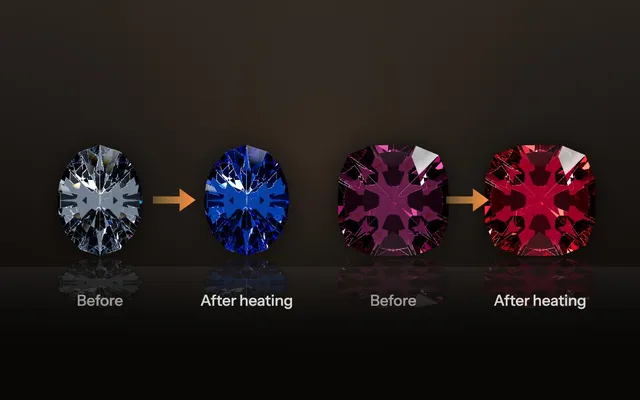
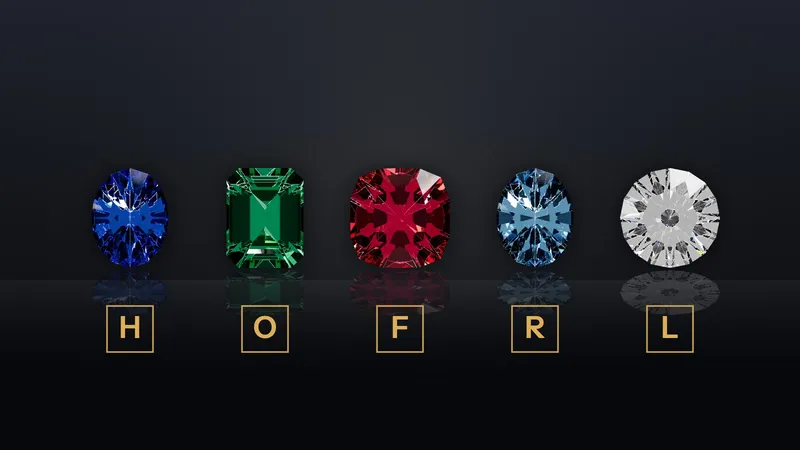
| Heating (H) | Improves colour and/or clarity. Usually stable. | Ruby, sapphire, tanzanite, aquamarine, zircon, citrine |
| Oiling or resin (O) | Fills surface-reaching fissures to improve clarity. | Emerald, other beryl |
| Glass filling (F) | Fills fractures and cavities with glass, sometimes lead glass. | Ruby, sapphire, diamond |
| Diffusion (U) | Adds colour from outside, e.g. beryllium or titanium. | Sapphire, ruby |
| Irradiation (R) | Changes colour, often followed by heating. | Blue topaz, some diamonds, some quartz |
| Dyeing (D) | Adds or deepens colour. | Jade, chalcedony, coral, lapis, quartzite |
| Bleaching (B) | Lightens or evens colour. | Pearls, jadeite, coral |
| Impregnation (I) | Polymer or plastic in porous stones. | Jadeite ("B jade"), turquoise |
| Coating (C) | Surface film for colour or effect. | Topaz, quartz, diamond |
| Heat and pressure (HP) | Changes colour of diamonds. | Diamond |
| Laser drilling (L) | A laser opens a channel to a dark inclusion, which is then removed or bleached with acid. | Diamond |
| Waxing (W) | Colourless wax, paraffin or oil in a porous gem to improve its look. | Jadeite, turquoise, lapis |
The code N means not enhanced: no known treatment. Our gemstone reference table lists the usual treatments for 31 stones next to hardness, density and refractive index.
Why it matters at the bench
Some treatments are damaged by normal workshop processes. Tell your setter, polisher and repairer what the stone is, every time:
- Glass-filled rubies can be etched by pickling solutions and damaged by the heat of a jeweller's torch. Heavily filled material can fall apart.
- Oiled and resin-filled emeralds should stay out of the ultrasonic cleaner and the steamer, which can remove the filler.
- Coated, dyed and impregnated stones can lose colour with heat, solvents or polishing compounds.
- Heat-treated corundum is generally stable, but residues from flux healing can react to repairs with heat.
What disclosure means in practice
Trade rules agree on the principle. The CIBJO Gemstone Book sets international nomenclature and disclosure standards. In the United States, the FTC Jewelry Guides say a treatment must be disclosed if it is not permanent, if it creates special care requirements, or if it significantly affects the value. Many traders go further and disclose every known treatment, which is the simplest rule to follow.
- State the treatment on the invoice and the memo, not only verbally.
- Use clear words ("heated", "lead-glass filled") or the AGTA code with its meaning.
- Pass the information on: from dealer to manufacturer to retailer to customer.
- For important stones, get a report from a recognised laboratory. Some treatments, like beryllium diffusion, can only be detected with laboratory equipment.
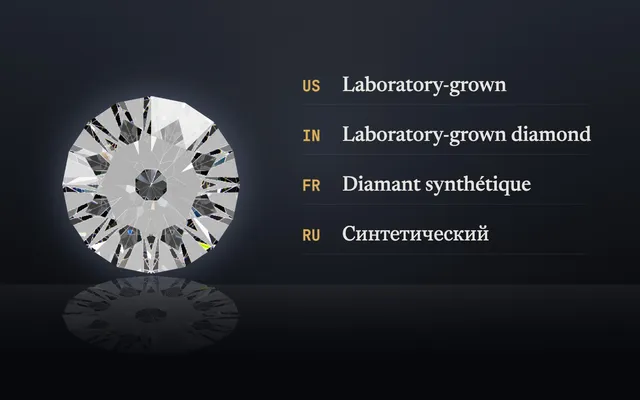
- Lab-grown stones are not treatments, but they must be disclosed just as clearly: "laboratory-grown", "laboratory-created" or "synthetic".
Share this article
Sources
- US FTC Jewelry Guides, 16 CFR 23.24: Disclosure of treatments to gemstones
- Stuller BenchJeweler: Understanding stone codes (AGTA codes)
- CIBJO: The Blue Books (Gemstone Book)
- LMHC Information Sheets (standard report wording for treatments)
Facts last checked on 11 October 2026.