Briefing a manufacturer: what to send and agree before production
What a workshop needs from you before it can quote, sample and produce, and the questions to settle in writing so your first collection arrives as you imagined it.
Good manufacturers are busy. The designers who get the best prices, the best attention and the fewest surprises are the ones whose briefs can be quoted without twenty follow-up questions. This is what a complete brief looks like.
1. Drawings or CAD
Send a technical drawing with front, side and top views and real measurements in millimetres, or a CAD file if you have one. Mood boards help the workshop understand the style, but they cannot quote from them. Mark what matters most: a thickness you won't compromise on, or a curve that must stay exact.
2. Metal
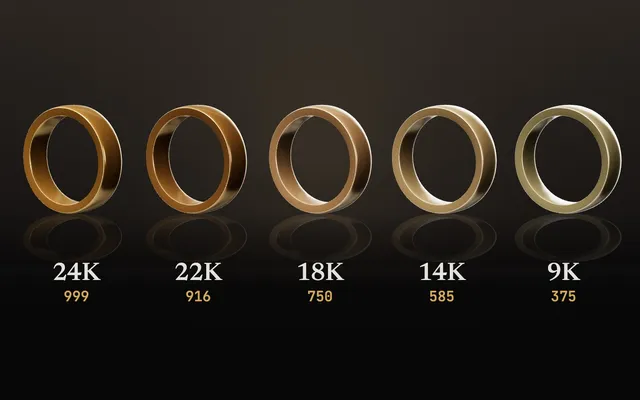
Karat, fineness mark and colour alloy, for example "18K (750) yellow" or "925 sterling, rhodium plated". For customers in Europe the metal must meet the EU limit on nickel release (REACH); if in doubt, ask for palladium white gold or another nickel-free alloy. If the piece will be sold in a country with compulsory hallmarking, ask who arranges it.
3. Stones
- Type, shape, size in millimetres, colour and quality range
- Natural, treated or lab-grown, and the disclosure you need
- Who supplies the stones: you, or the workshop
- Setting style: prong, bezel, pavé, channel, flush
- Who carries the risk of stone breakage during setting
4. Sizes, finish and marks
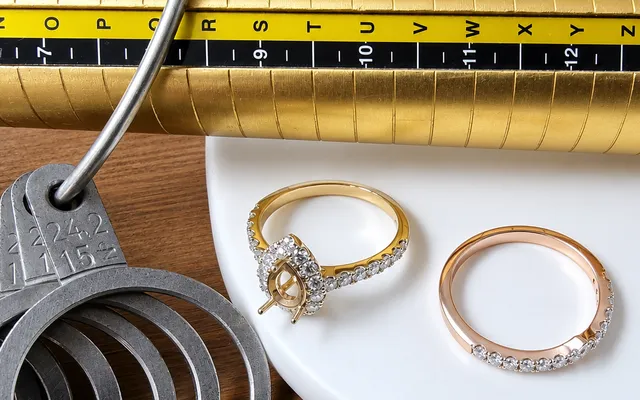
Ring sizes in your customer's system and in millimetres (see our ring size guide), chain lengths, finish (high polish, satin, sandblast, hammered), plating, and any stamps: fineness, maker's mark, your logo.
5. Quantities, samples and timing
Say how many pieces per design and per size, and whether this is a one-off or a collection you plan to reorder. Ask for a sample or prototype before production, and agree that production follows the approved sample. Ask for the lead time for samples and for production separately; fairs and holidays add weeks.
6. Money and paperwork
- How metal is priced: at the market price on which day, plus what labour charge
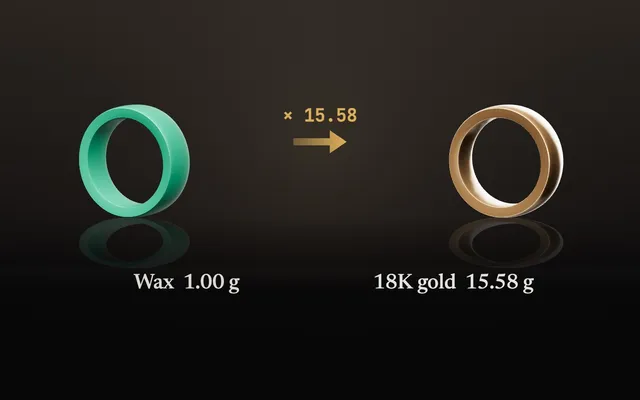
- Metal loss allowance in casting and finishing
- Tooling costs: CAD, moulds, 3D prints, and who owns them
- Payment terms, deposit and currency
- Delivery terms, insurance in transit and who handles export documents
- Tolerances: how far weight and size may vary
7. Protect your designs
Ask for a simple confidentiality agreement before you send drawings, and agree in writing that your designs and moulds are made only for you. A good manufacturer will expect this.
Try it yourself
Share this article
Sources
- US FTC Jewelry Guides, 16 CFR Part 23 (metal and stone descriptions)
- Assay Office London: Hallmarking guide
Facts last checked on 11 October 2026.